LOIS Logo

Not all legal AI errors are the same. Learn to catch each one.

“Hallucination” is a catch-all, but a fabricated case, a misquoted opinion, and a biased output come from different causes and need different fixes. This guide helps you tell them apart, ask vendors the right questions, and know where your firm’s risk actually sits.

  • Know the five failure modes – Fabricated cases, mischaracterized holdings, false quotes, exhibit errors, and bias, each defined with a real-world example
  • Catch the errors that look right – See why a citation that checks out can still mislead, and how a quote from a dissent can flip a case’s meaning
  • Verify before it reaches the court – Get practical steps to catch each error type before it lands in a filing or in front of a client
  • Build verification into your workflow – Learn how source-linked citations and reasoning checks make good judgment easier to exercise on every filing
Download the “Five ways legal AI
can get it wrong and how to catch each one” guide now!

Built to Protect 

LOIS Legal Research was built to protect lawyers from risk while offering them the most powerful legal research tool on the market.

Every citation is automatically checked against a trusted, secondary verification layer, and every piece of reasoning is traced back to the exact page it rests on. All of this work is done in one focused environment, with no tab-switching required.

Instead of hoping your research is right, you can prove it is, allowing you to write and research with full confidence.

Powerful legal reasoning

LOIS Legal Research helps you build the strongest possible argument for your client. Here's what that looks like in practice.

Along with the benefit of increased thoroughness, however, using AI for legal research has created a growing malpractice risk: citing cases that don’t exist, or misrepresenting what real cases say. As AI tools spread through legal research, fabricated and misleading citations have slipped into filings. Courts are not treating it as a minor oversight; monetary sanctions, stricken filings, and bar discipline have been common.
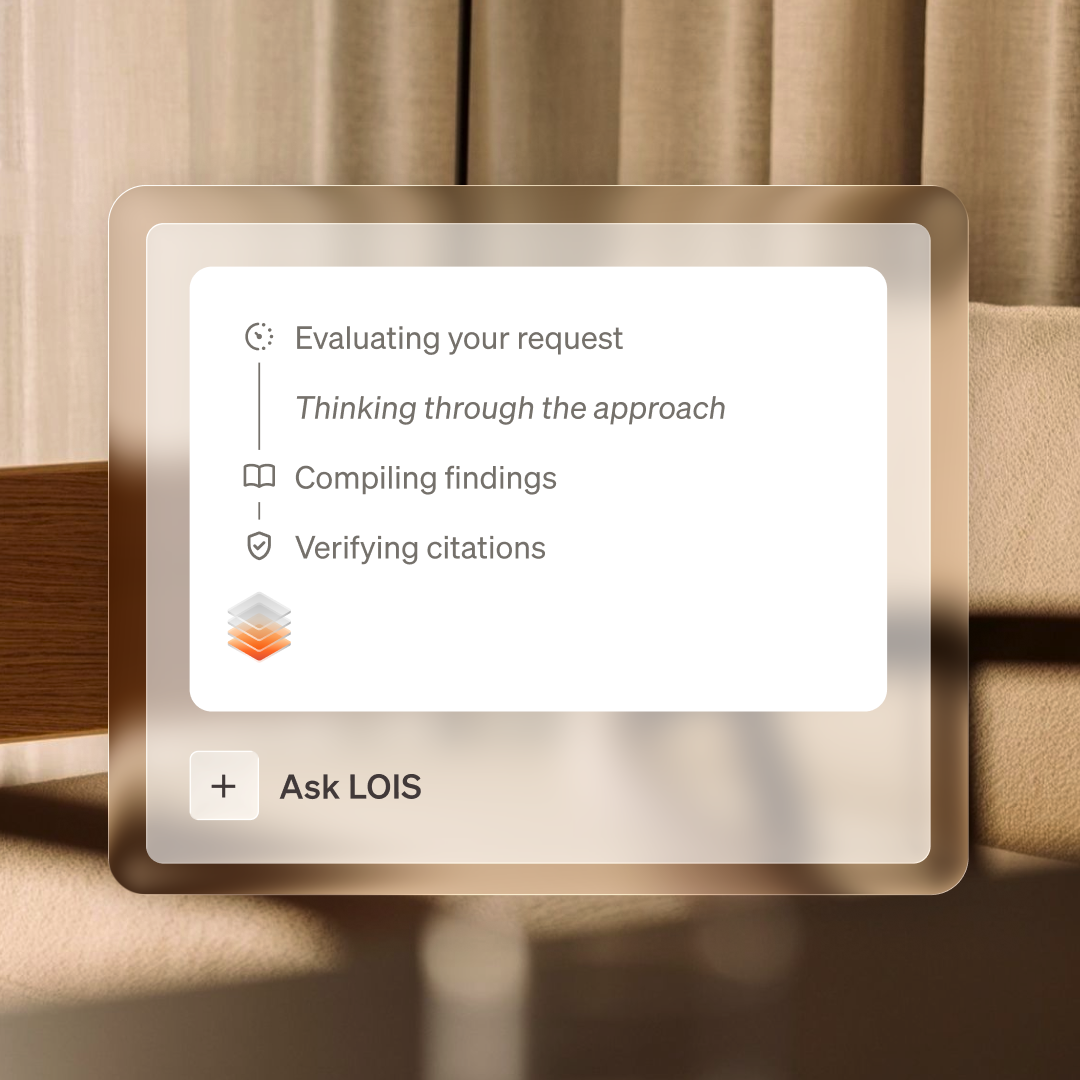
LOIS Verifying

Research where you already work

No more toggling between your drafting workflow and a separate research tool. LOIS Legal Research lives inside your workflow. And because it's grounded in your actual case files as well as a trusted body of case law, it can reason across both, connecting the facts of your matter directly to the law that governs it.

Legal Research Citation

Automatically check citations

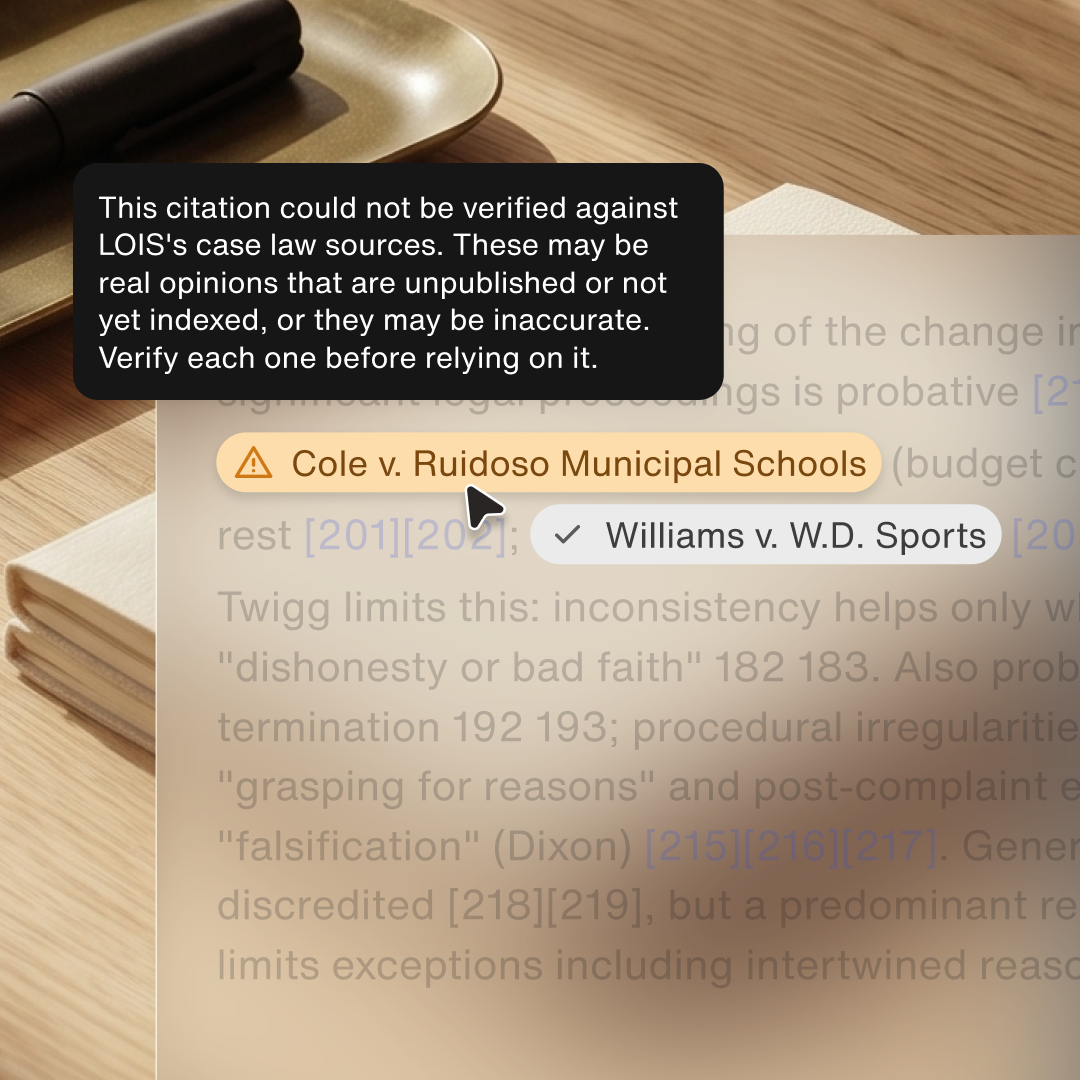
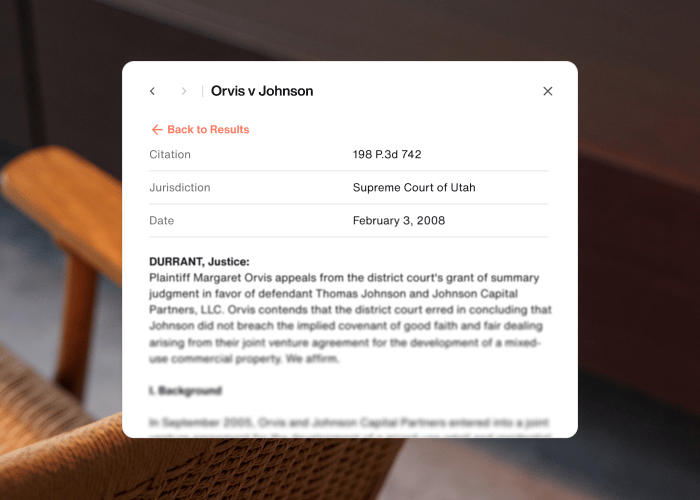
Every citation LOIS generates passes through a trusted, secondary verification layer before it ever reaches you. Each one is linked directly to the underlying opinion for instant review. If a case can't be verified, LOIS flags it as a potential hallucination so you catch it, not opposing counsel or a judge.

Flagged Opinion

Quickly review reasoning

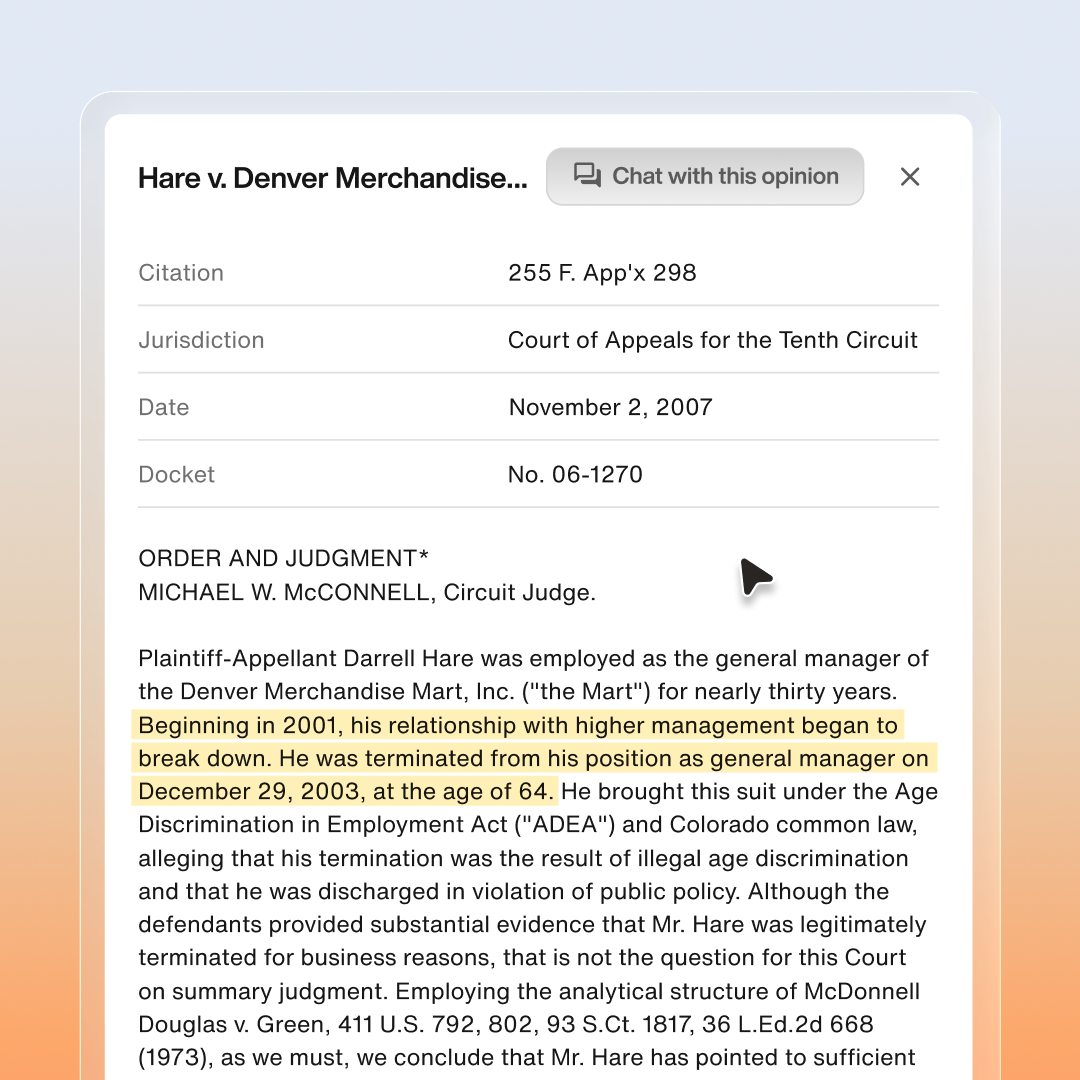
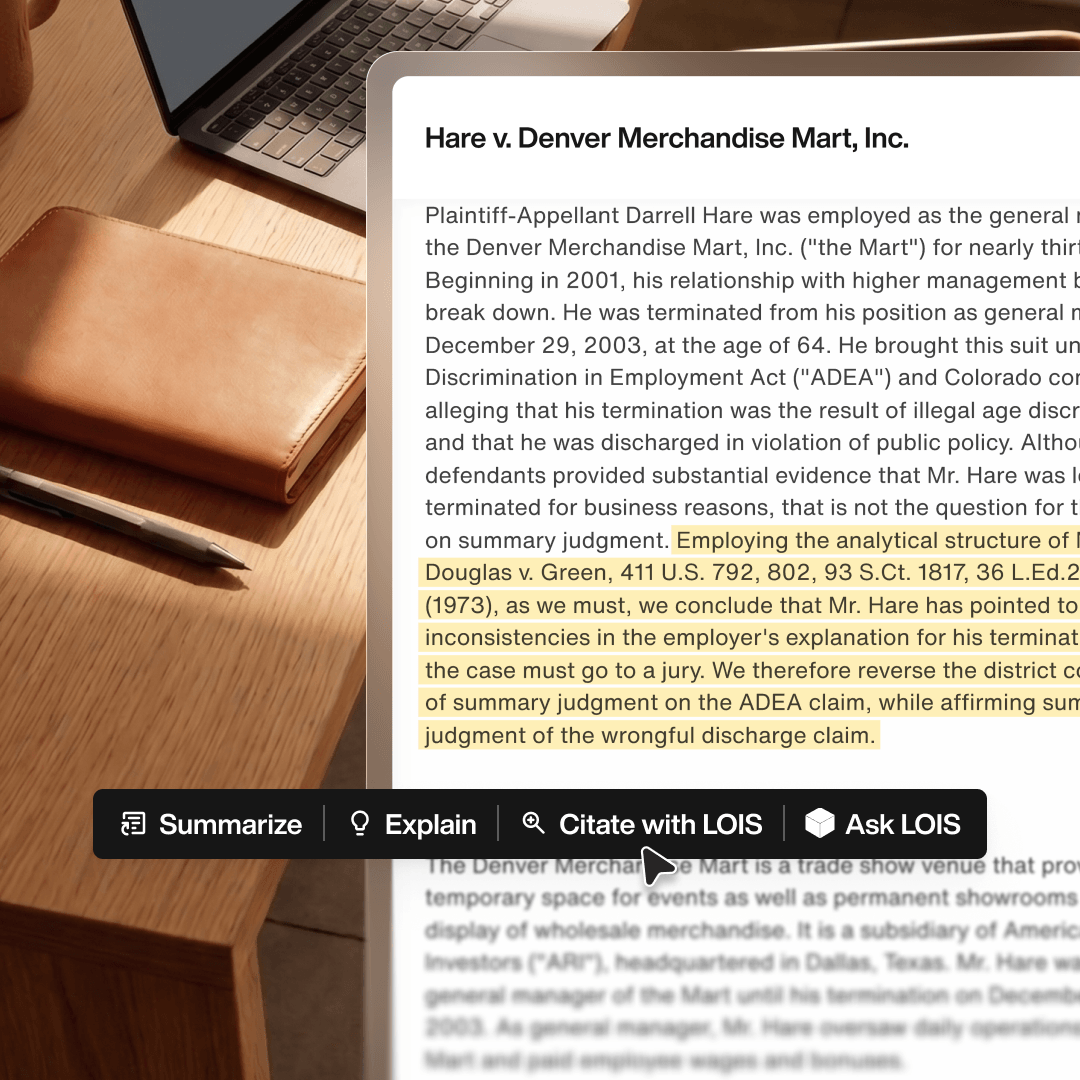
LOIS doesn't just cite a case; it shows its work. The opinion panel visually marks the exact passages LOIS relied on, opening directly to the relevant page in the original court opinion with the supporting paragraphs highlighted.

Spotlight Reasoning

Drill down to the holding

Most citators tell you whether a case is still good law. LOIS tells you whether a specific holding is. It scans case law to surface where a higher court has quietly narrowed, weakened, or contradicted that exact point, even in decisions that never cite the original case by name.

Research where you already work

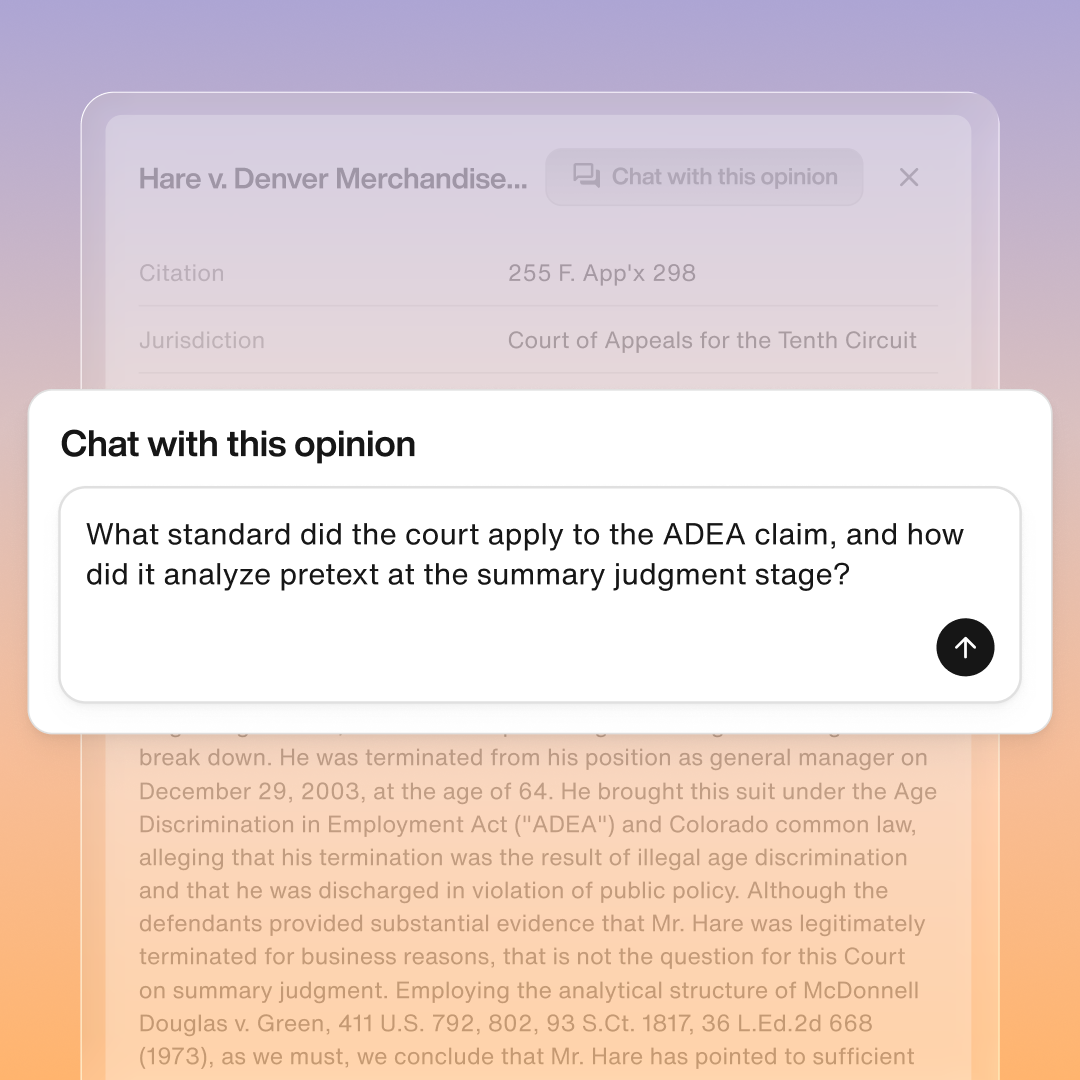
Chat with the opinion

Engage in a deep-diving conversation about any aspect of an opinion to pull out the nuances within it. Ask about procedural posture, specific issues the court addressed, or how a holding is qualified. Get answers scoped to that opinion alone.

Chat with this opinion

Switch to the Anti-Hallucination Legal AI You Can Rely On.

See what LOIS can do for you.